
Introduction
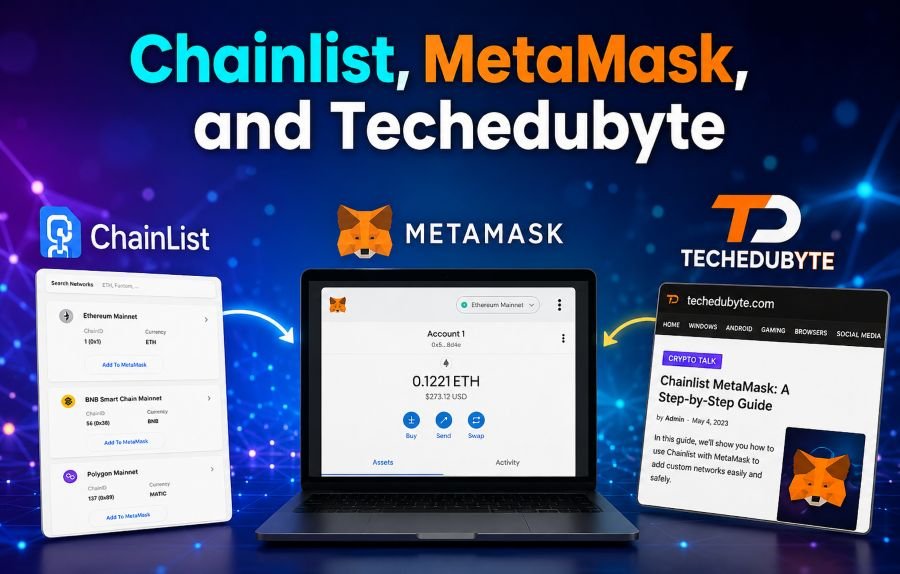
Chainlist, MetaMask, and Techedubyte are three names that often appear together when people search for an easy way to connect a crypto wallet with different blockchain networks. Chainlist helps users find network information, MetaMask provides the wallet connection, and Techedubyte has published guides explaining how the process works.
For beginners, blockchain networks can feel confusing. Terms such as RPC URL, Chain ID, EVM, and network switching may sound difficult. However, the basic process is much easier when you understand what each tool does.
What Is Chainlist?
Chainlist is an online directory for EVM-compatible blockchain networks. It displays important network information, including Chain IDs, RPC details, currency symbols, and block explorer information.
Instead of manually searching for these details, users can search for a network through Chainlist and use the available option to add it to a compatible wallet.
This can be useful when you want to work with networks beyond the default options available in your wallet.
What Is MetaMask?
MetaMask is a popular crypto wallet used to manage digital assets and interact with Web3 applications.
It can connect with supported blockchain networks and allows users to switch between networks when using compatible decentralized applications.
The important point is that adding a network does not automatically mean that every application on that network is safe or trustworthy. Users should still check the application and network before approving transactions.
How Chainlist and MetaMask Work Together
Think of the process this way:
Chainlist = network information
MetaMask = wallet
Techedubyte = educational guidance
Chainlist helps you locate the network details, while MetaMask handles the wallet connection and network addition. Techedubyte has published a guide describing this workflow for users who want a simpler explanation.
The basic process is:
- Open Chainlist.
- Search for the blockchain network you need.
- Connect your MetaMask wallet.
- Select the correct network.
- Choose the option to add the network.
- Review the information shown by MetaMask.
- Approve only when the details look correct.
- Switch to the network when needed.
Why People Search for Chainlist MetaMask Techedubyte
The phrase Chainlist MetaMask Techedubyte appears to be used by people looking for information about connecting Chainlist with MetaMask, particularly through Techedubyte’s published guide. Techedubyte has a dedicated Crypto Talk section containing MetaMask and Chainlist-related content.
The search term is therefore useful for readers who want a beginner-friendly explanation rather than highly technical blockchain documentation.
What Is an EVM Network?
EVM means Ethereum Virtual Machine.
In simple words, an EVM-compatible network can support the technology used to run Ethereum-style smart contracts. Chainlist focuses on networks that are compatible with this environment.
Different networks can have different:
- Chain IDs
- RPC endpoints
- Native currencies
- Transaction fees
- Block explorers
- Applications
That is why selecting the correct network matters.
How to Add a Network Through Chainlist
Step 1: Find the Network
Search for the blockchain you want to use on Chainlist. Carefully check the network name because similar names can sometimes appear.
Step 2: Connect MetaMask
Choose the wallet connection option and select MetaMask. MetaMask will normally display a permission request.
Only approve connections that you understand.
Step 3: Review the Network
Before adding a network, check the information shown by MetaMask. Pay particular attention to the network name, Chain ID, and RPC information.
Step 4: Approve the Addition
If everything matches the network you intended to use, approve the network addition in MetaMask.
Step 5: Switch Networks
After adding the network, you can switch to it when a compatible dApp requires that blockchain.
Is Chainlist the Same as MetaMask?
No.
Chainlist and MetaMask have different purposes.
Chainlist helps users discover blockchain network information.
MetaMask is the wallet that manages assets and connects users with Web3 applications.
They can work together, but they are separate tools.
What Role Does Techedubyte Play?
Techedubyte is a technology and educational website that publishes tutorials, software-related content, gaming information, and crypto-focused articles. Its Crypto Talk category includes several MetaMask guides as well as its Chainlist MetaMask article.
Therefore, when someone searches for Chainlist, MetaMask, and Techedubyte, they may be looking for an explanation based on Techedubyte’s guide or for a simpler understanding of the Chainlist-MetaMask connection.
Important Security Tips
Crypto wallets require careful handling. A few simple habits can reduce common risks.
Never Share Your Recovery Phrase
Your MetaMask recovery phrase should remain private. Do not give it to websites, strangers, support accounts, or anyone claiming they need it to fix your wallet.
Check the Network
Before approving a network addition, make sure it is the network you actually intended to use.
Be Careful With Unknown RPCs
An RPC endpoint allows your wallet to communicate with a blockchain network. Do not blindly accept unfamiliar network information.
Check Transactions Before Signing
Connecting a wallet to a website is different from approving a transaction or signature. Read wallet prompts carefully before confirming anything.
Start With Small Transactions
When using an unfamiliar network or application, consider testing with a small amount first rather than immediately moving significant funds.
Common Problems With Chainlist and MetaMask
The Network Does Not Appear
Search again using the exact network name. Some networks may also have alternative names.
MetaMask Does Not Connect
Check that the wallet extension or application is unlocked and that your browser connection is working correctly.
The Add Network Button Does Not Work
Try refreshing the page and reconnecting the wallet. You can also check whether MetaMask already supports the network directly.
The dApp Still Does Not Work
Adding a network does not guarantee that every decentralized application supports it. The application itself must be compatible with the selected network.
Chainlist vs Manual Network Setup
Manually adding a network requires entering details such as the network name, RPC URL, Chain ID, currency symbol, and explorer URL.
Chainlist can make this process easier by presenting network information in one place. This reduces manual typing, although users should still review the information before approving it.
The convenience is useful, but convenience should never replace verification.
Final Thoughts
Chainlist, MetaMask, and Techedubyte are connected by a simple idea: making blockchain network setup easier to understand.
Chainlist helps users find EVM network information. MetaMask provides the wallet connection and network management. Techedubyte provides educational content that explains the process in a beginner-friendly way.
If you are new to Web3, learn what network you are using before connecting your wallet, review every MetaMask prompt, and never share your recovery phrase. These simple habits are more important than simply adding a new blockchain network.






Leave a Reply